If you plan to sell this spring in Reading, you have a small window to make a strong first impression. Buyers are moving fast, and in a competitive market, the homes that feel clean, bright, and ready tend to stand out right away. The good news is that preparing your home for a successful spring sale usually has more to do with smart basics than expensive renovations. Let’s dive in.
Why spring prep matters in Reading
Reading is a competitive market. Recent data shows homes there receiving about five offers on average, selling in around 13 days, with a sale-to-list ratio of 104.1% and a March 2026 median sale price of $985,000.
What that means for you is simple: buyers may move quickly, but they still notice condition, presentation, and how a home looks online. If your home is going to hit the market in spring, the prep work needs to happen before photos, before showings, and before the first buyer walks through the door.
Start with a photo-first mindset
A lot of sellers think about prep as one big renovation project. In reality, your first impression often happens online, not at the front door. That makes listing photos and the overall look of your home a major part of your spring sale strategy.
According to the National Association of Realtors 2025 staging profile, photos are important to 88% of sellers’ agents and 73% of buyers’ agents. Staging also helps buyers picture the property as a future home, which is exactly what you want when your listing goes live.
Think like a buyer scrolling listings
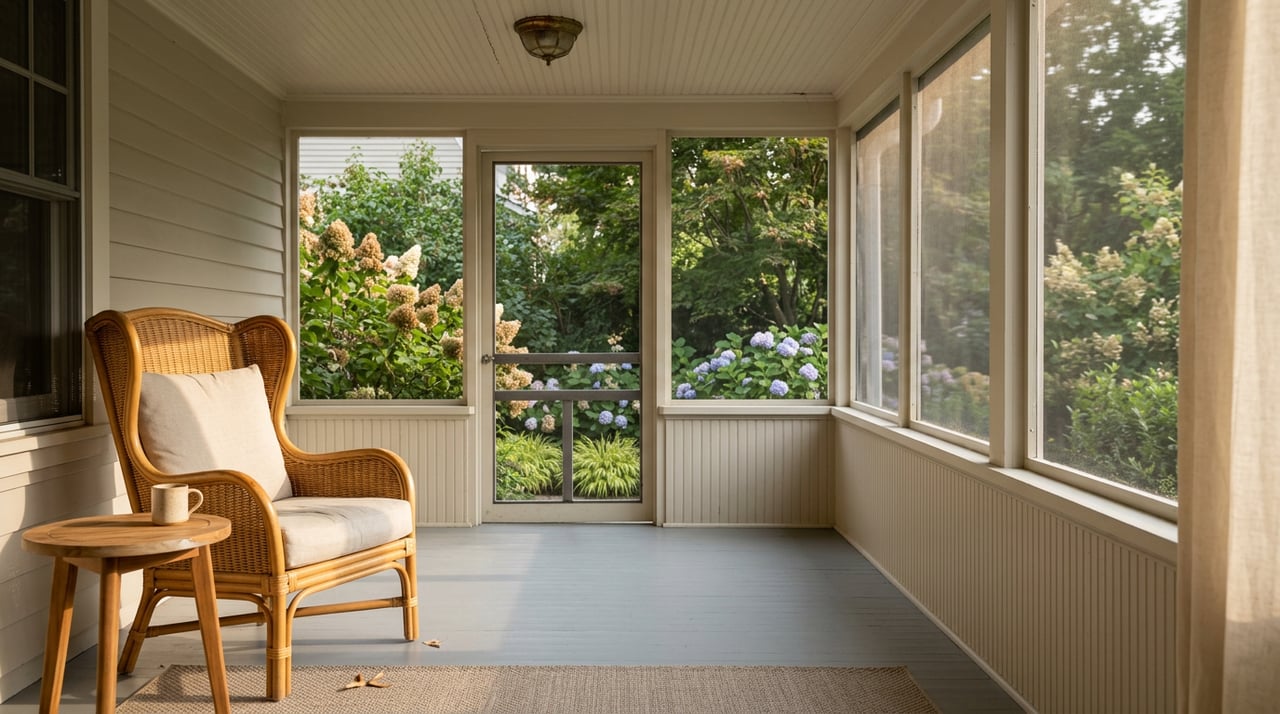
When buyers look at homes online, they make quick decisions. They notice whether rooms feel spacious, clean, bright, and easy to understand. If your photos show visual clutter, dark corners, or too much personal style, buyers may move on before they ever schedule a showing.
That is why I always tell sellers to prepare the home for the camera first. If it looks polished in photos, you are already ahead.
Declutter before you do anything else
If you only tackle one task before listing, make it decluttering. NAR reports that decluttering is the most common recommendation made to sellers, and for good reason. It is one of the simplest ways to make your home feel larger, calmer, and more move-in ready.
Fannie Mae also recommends keeping the home neutral, simple, and free of clutter. In practical terms, that means editing your space so buyers can focus on the home itself instead of your belongings.
What to remove
Before photos and showings, try to remove:
- Extra furniture that makes rooms feel tight
- Large collections or busy decor
- Personal photos
- Toys, pet items, and visible storage overflow
- Small appliances and countertop clutter
- Seasonal items that are out of place
You do not need to strip the house of all personality. You just want each room to feel open enough that buyers can imagine how they would use it.
Clean thoroughly and keep it simple
Whole-home cleaning is another top recommendation in the NAR staging report. This is not just about tidying up. It is about making the home feel cared for.
A deep-cleaned home sends a message. It tells buyers that the property has been maintained, and that matters whether your house is fully updated or not.
Focus on the details buyers notice
Pay special attention to:
- Windows and mirrors
- Baseboards and trim
- Kitchen and bathroom surfaces
- Floors and carpets
- Light fixtures
- Entry areas and stair rails
Spring light tends to show everything. Dust, smudges, and winter wear can stand out more than you think.
Handle visible repairs and touch-ups
You do not need a major remodel to prepare for market. In fact, the smartest prep list is usually built around low-cost cosmetic updates and basic maintenance.
Both Fannie Mae and NAR support this approach. Paint touch-ups, wall painting, minor repairs, grouting, landscaping, carpet cleaning, and curb appeal work are among the most common and useful seller recommendations.
Fix what buyers will spot immediately
In a competitive market like Reading, buyers often compare homes quickly. They may forgive an older kitchen more easily than they forgive dripping faucets, chipped paint, loose hardware, or cracked caulk.
Good pre-listing fixes often include:
- Touching up scuffed or chipped paint
- Repainting bold walls in a neutral color
- Repairing loose handles, hinges, or doors
- Regrouting or recaulking kitchens and baths
- Replacing burned-out light bulbs
- Cleaning or refreshing worn carpet
- Taking care of small exterior maintenance items
The goal is not perfection. The goal is to remove distractions that make buyers wonder what else has been neglected.
Improve curb appeal for spring buyers
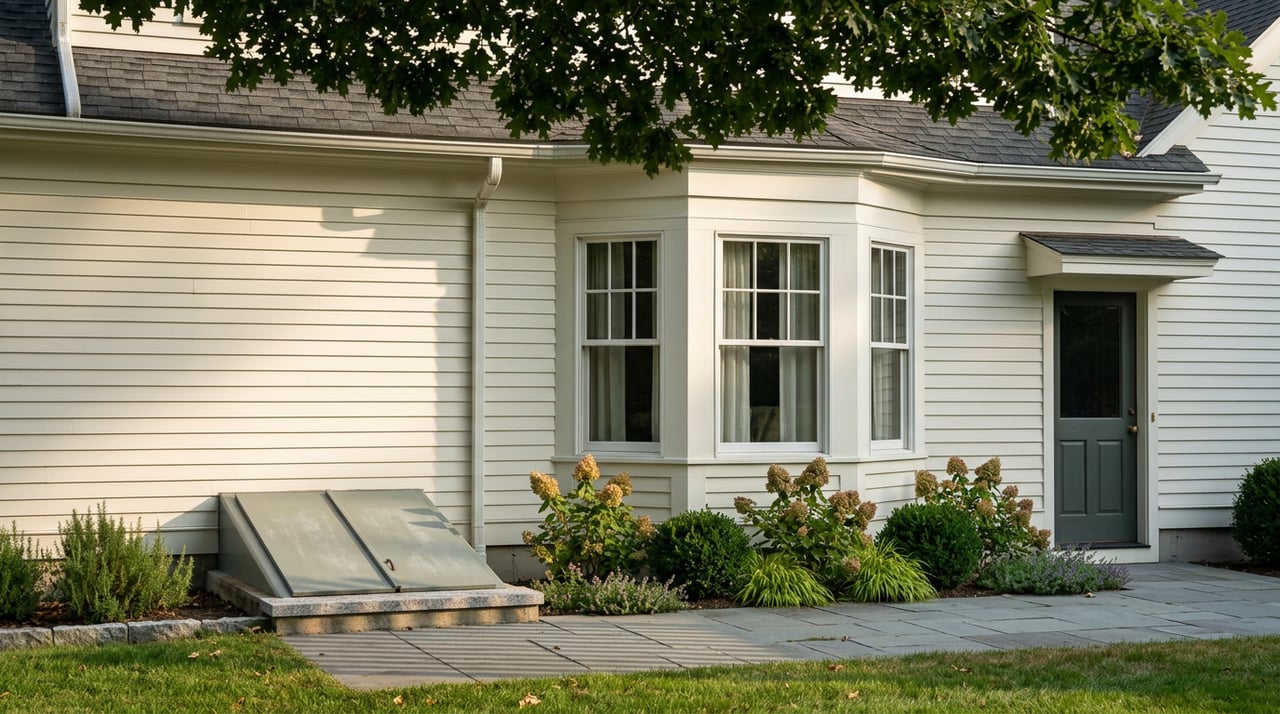
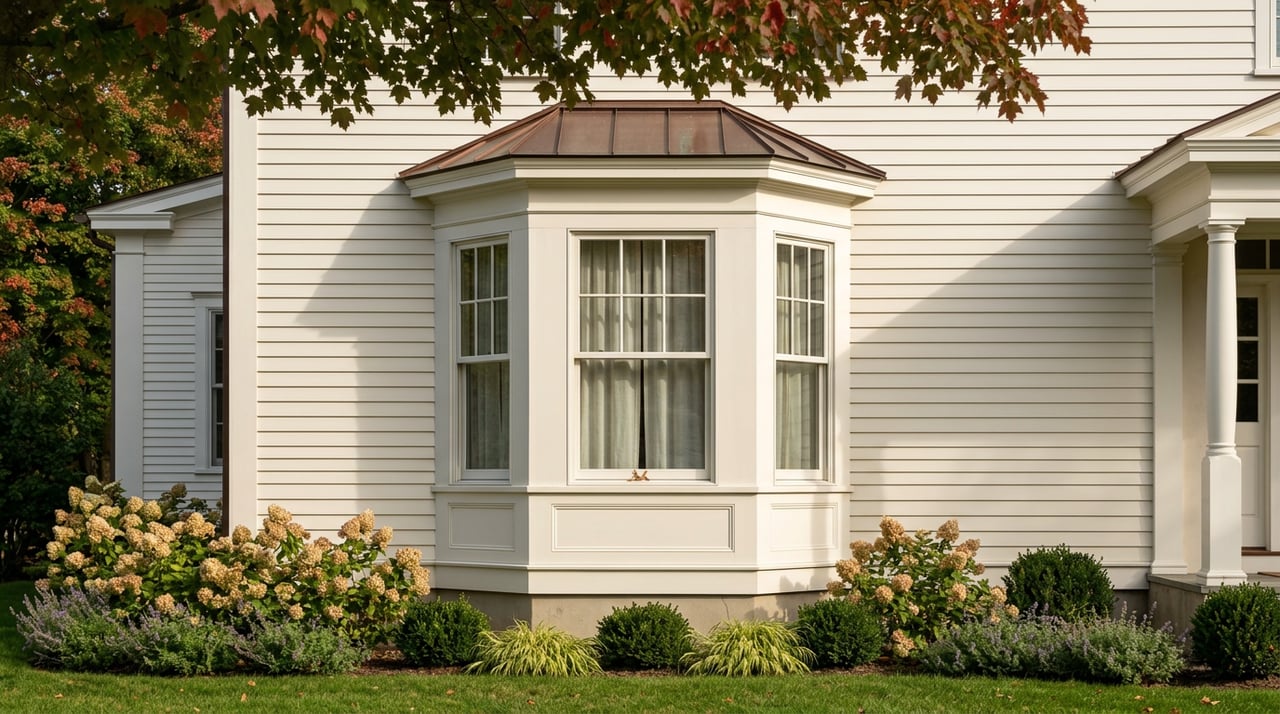
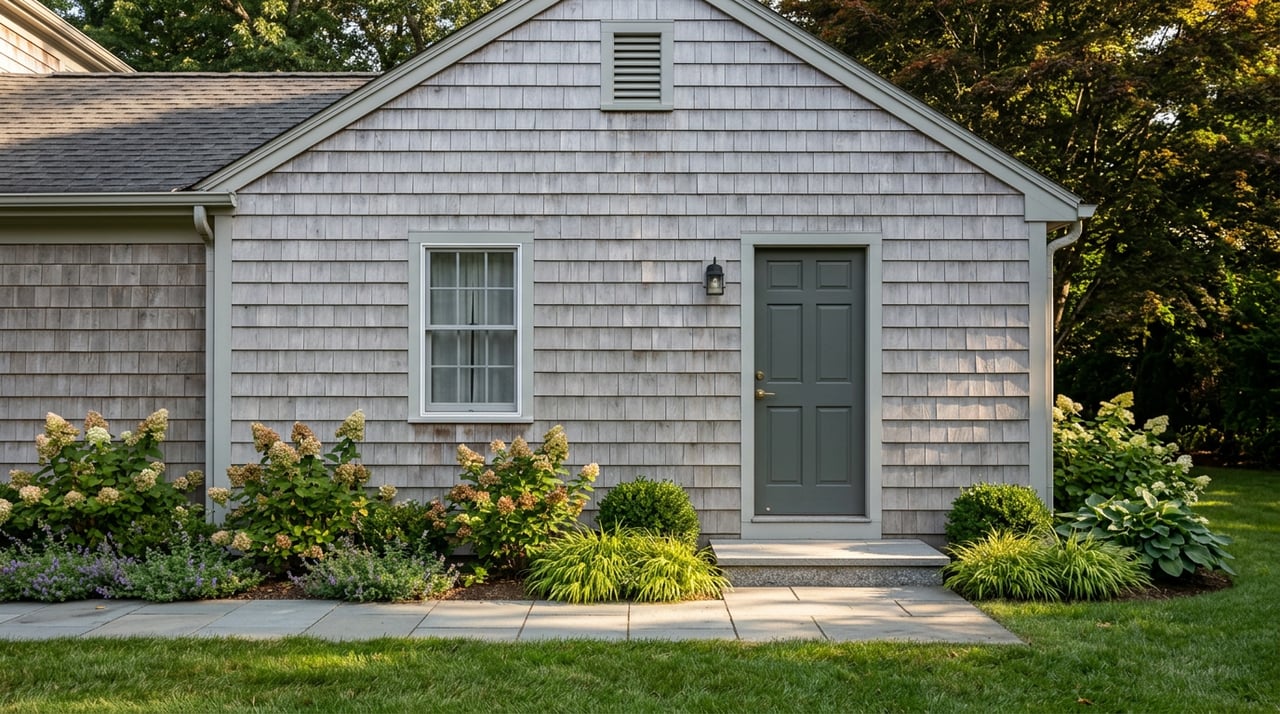
Spring buyers start judging the house before they even park. Curb appeal matters because it shapes the tone for every showing that follows.
NAR identifies curb appeal improvements as one of the most common seller recommendations. In Reading, where buyers may be making fast decisions, a tidy and welcoming exterior helps set the right expectation from the start.
Simple curb appeal wins
Focus on tasks that are visible and manageable:
- Rake leftover winter debris
- Edge and refresh planting beds
- Trim overgrown shrubs
- Add fresh mulch if needed
- Sweep walkways and front steps
- Clean the front door and entry hardware
- Make sure house numbers are easy to read
These updates do not need to be expensive. They just need to signal that the home is cared for.
Stage the rooms that matter most
If your budget is limited, do not try to do everything. Be selective.
NAR reports that the rooms buyers care most about are the living room, primary bedroom, and kitchen. Sellers also commonly stage the dining room. If you are deciding where to spend time and money, those are the spaces to prioritize first.
Best rooms to stage first
If you are keeping it simple, start here:
- Living room for comfort, flow, and first-photo impact
- Kitchen for cleanliness and function
- Primary bedroom for a calm, spacious feel
- Dining room if it helps define layout and entertaining space
Staging does not have to mean renting furniture for every room. It can mean rearranging what you already have, removing excess pieces, and making key spaces feel lighter and easier to read.
Be smart about your budget
A successful sale does not require overspending. The better strategy is usually to invest in the items buyers notice most.
NAR reported median staging costs of $1,500 when using a staging service and $500 when the seller’s agent stages the home personally. That makes selective staging and strong photography especially useful for sellers who want to stay cost-conscious.
Where your money usually goes furthest
If you want the best return on prep dollars, focus on:
- Decluttering and deep cleaning
- Paint touch-ups or neutral repainting
- Minor repairs
- Basic landscaping and exterior cleanup
- Professional photography
- Staging a few high-impact rooms
That is often a better use of funds than taking on larger projects that may not change buyer perception enough to justify the cost.
Avoid the over-improvement trap
This is where many sellers lose time and money. They assume they need a full kitchen renovation, major bath update, or a long contractor list before going live.
Sometimes a bigger project makes sense, but often it does not. In Reading’s competitive market, buyers are already motivated. Your job is to present the home as clean, maintained, and easy to love, not to chase every possible upgrade.
Build your prep plan early
The best spring listings are rarely pulled together at the last minute. They usually come from a simple plan, handled in the right order.
Here is a practical sequence to follow:
- Walk through the home and make a realistic punch list
- Declutter room by room
- Deep clean the full house
- Complete visible repairs and touch-ups
- Refresh curb appeal
- Stage the most important spaces
- Schedule listing photos only after the prep is done
This kind of step-by-step approach keeps you from wasting money and helps you focus on what will actually show up in photos and showings.
The goal is confidence, not chaos
Selling a home in spring can feel overwhelming, especially if you are juggling work, kids, pets, or a move on the other side. That is exactly why a clear prep plan matters.
You do not need to do everything. You need to do the right things in the right order so your home comes to market looking polished, well cared for, and ready for buyers to say yes.
If you are getting ready to sell in Reading and want honest advice about what to fix, what to skip, and how to prep without overspending, Jodi Fitzgerald can help you build a smart plan from the start.
FAQs
What should I do first before listing my Reading home in spring?
- Start with decluttering. It is one of the most effective ways to make your home look larger, cleaner, and more appealing in listing photos and showings.
Which rooms matter most when staging a Reading home for sale?
- Focus first on the living room, kitchen, primary bedroom, and dining room. These are the spaces that tend to have the biggest impact on buyers.
Do I need to renovate my Reading home before selling it?
- Usually, no. Low-cost updates like cleaning, paint touch-ups, minor repairs, grouting, and curb appeal work are often more useful than major remodeling.
Why are listing photos so important for a Reading spring sale?
- Buyers often see your home online before they ever book a showing. Strong photos help your home stand out early and create better first impressions.
How fast are homes selling in Reading, MA?
- Recent market data shows homes in Reading selling in around 13 days on average, with about five offers per home and a sale-to-list ratio of 104.1%.
How can I prepare my Reading home for sale on a budget?
- Focus on decluttering, deep cleaning, small repairs, neutral touch-ups, simple landscaping, and staging only the most important rooms instead of trying to update everything.