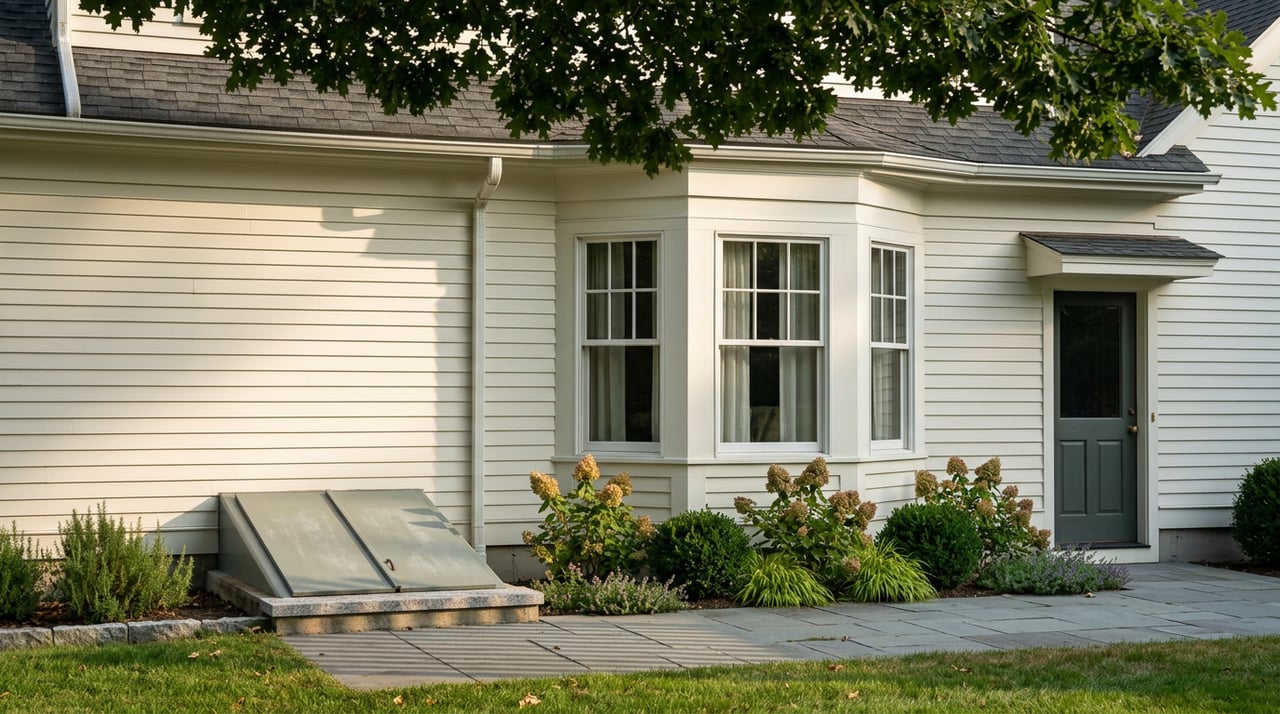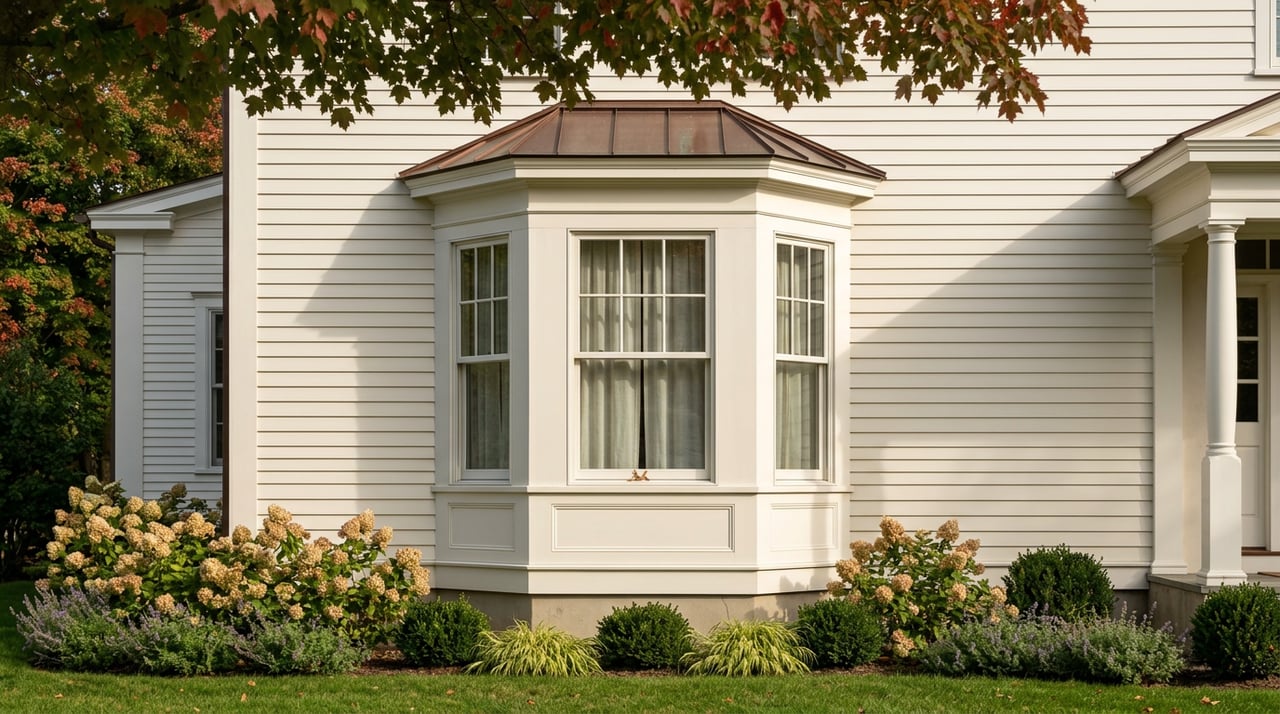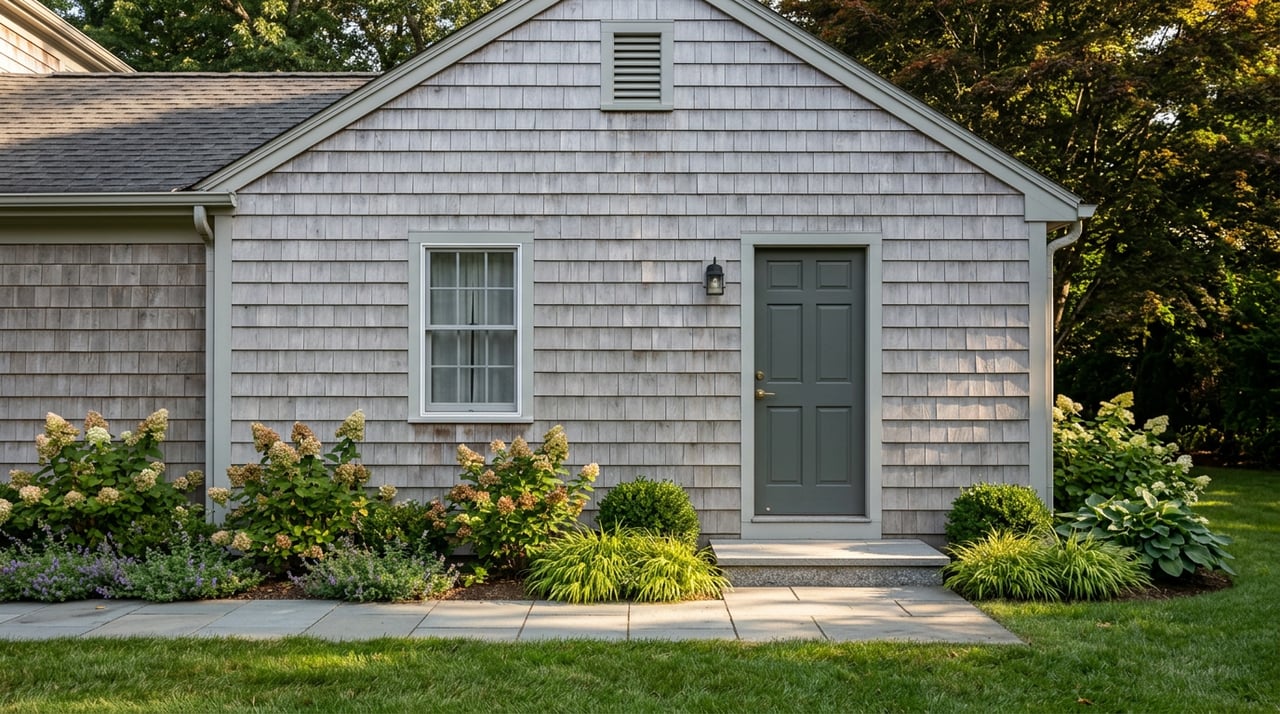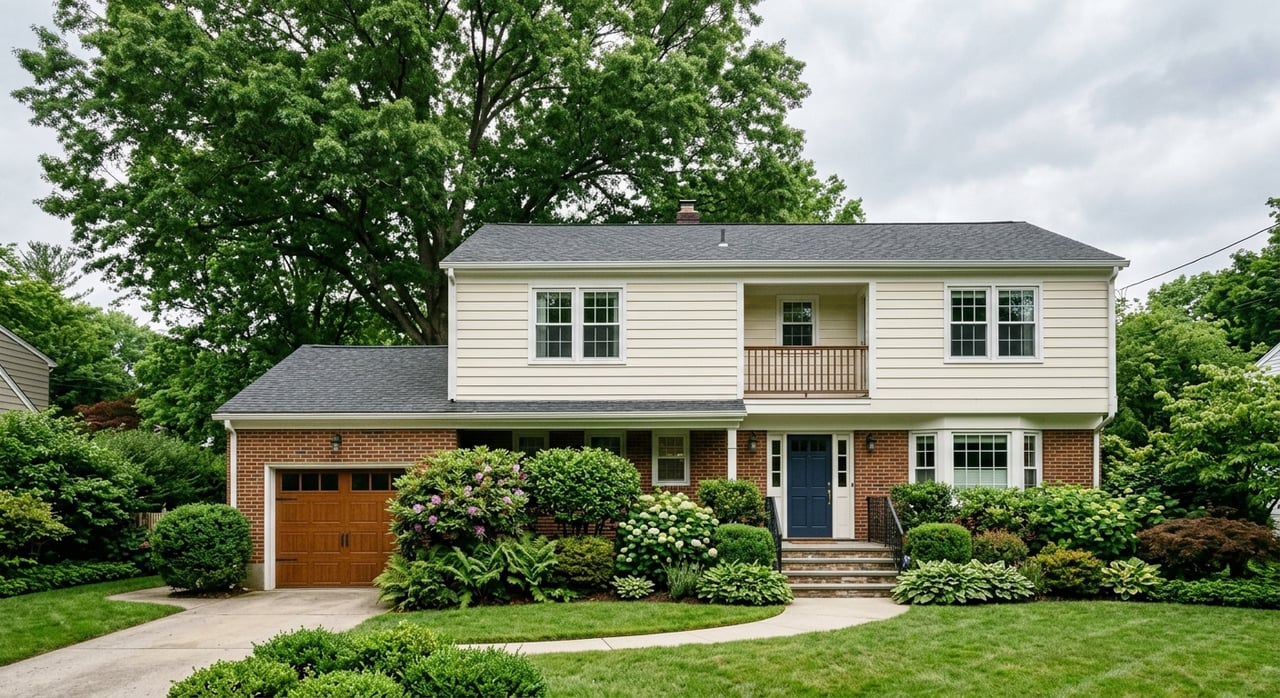
Buying in Wilmington can feel simple at first glance. You see a Cape, a ranch, or a split-level and assume the style tells you everything you need to know. In reality, Wilmington’s housing stock is more layered than that, and the smartest buyers look at style, lot, and age together. If you want to understand what you’re really seeing in local listings and what it could mean for comfort, updates, and long-term cost, let’s dive in.
Why Wilmington Home Styles Matter
Wilmington is largely a suburban, detached-home market with a long history of owner occupancy. The town’s current housing profile shows 8,077 housing units, and the median owner-occupied home value is $680,500. Local planning documents also describe the housing stock as overwhelmingly single-family and heavily shaped by postwar growth.
That helps explain why so many buyers in Wilmington keep seeing the same core home types. Capes, Colonials, ranches, split-levels, and raised ranches all show up regularly, with older village homes and farmhouses mixed in on some streets. It is a town where housing eras overlap, so one neighborhood can include very different layouts and renovation needs.
Cape Cod Homes in Wilmington
A classic Cape Cod is typically a 1½-story home with a central entrance and steep gable roof. In Wilmington, capes are part of the town’s long-running housing pattern, not a rare find. You may see them in older neighborhoods and among homes that reflect the town’s earlier suburban development.
The big appeal of a Cape is efficiency. These homes often make smart use of space and can feel cozy without wasting square footage. That said, the second floor can be the deciding factor, especially if ceiling height, knee walls, or tight stairs affect how usable the space feels day to day.
When you tour a Wilmington Cape, pay close attention to:
- Upstairs headroom
- Stair comfort and width
- Existing dormers or room for future dormers
- Whether the footprint works for your long-term needs
A Cape can be a great fit if you like character and do not need oversized rooms. But if you expect major expansion later, you will want to look closely at both the structure and the lot before assuming the house can grow with you.
Colonial and Colonial Revival Homes
Colonial and Colonial Revival homes are another important part of Wilmington’s mix. Massachusetts architectural references describe Colonial Revival as an early-colonial-inspired form that became especially popular in the early 20th century. In practical terms, these homes often give you the more traditional two-story layout many buyers still want.
In Wilmington, Colonials often appeal to buyers who prefer separation between living and sleeping spaces. You may get a more formal layout, defined rooms, and a straightforward second-floor bedroom setup. That can work well if you like structure and privacy in the floor plan.
The tradeoff is that older Colonials are not always easy to rework. If your goal is an open kitchen, added bath space, or a more modern first-floor flow, renovation costs can rise quickly. The layout may look spacious on paper but still need thoughtful changes to match how you live now.
When viewing a Colonial, focus on:
- How the rooms connect
- Stair placement
- Current bath count
- Where a future addition could go
Ranch Homes in Wilmington
Ranches are common in Wilmington, which makes sense given the town’s postwar growth pattern. A ranch is generally a one-story home, and that simple layout is exactly why many buyers continue to seek them out. One-level living can feel practical, easy to navigate, and easier to live with over time.
That said, with a ranch, the style name alone does not tell the whole story. The lot, roof, basement, and drainage often matter more than the label. Two ranches with similar square footage can have very different renovation paths depending on site conditions and how the home was originally built.
If you are considering a ranch, look beyond the charming front photo and check:
- Roof age and condition
- Basement or slab condition
- Yard grading and drainage
- Whether the layout can be updated without major structural work
A ranch can be one of the most flexible styles in Wilmington, but only if the house and site support the changes you want.
Split-Levels and Raised Ranches
Split-levels and raised ranches are also common in Wilmington. These homes match the mid-20th-century suburban building periods that make up a large share of the local housing stock. For some buyers, they offer useful separation of space. For others, the stairs and transitions between levels feel awkward.
This is one of those styles where your day-to-day habits matter a lot. The number of stairs, how the garage connects to the house, and whether the lower level gets enough daylight can shape how comfortable the home feels. These details also affect what it may cost to improve the space later.
When touring a split-level or raised ranch, pay special attention to:
- Total stair count
- Lower-level moisture concerns
- Natural light in lower-level rooms
- Flow between the entry, garage, and main living area
These homes can offer a lot of usable space for the footprint. Still, you want to be honest about whether the layout works for your lifestyle rather than assuming you will adjust later.
Older Village Homes and Farmhouses
Wilmington also includes older homes concentrated around historic districts and older streets. These are not always the most common suburban listings, but they are part of the town’s housing story. If you are drawn to charm, detail, and a less cookie-cutter feel, these homes may stand out right away.
Older village homes and farmhouses often come with more renovation uncertainty than a later Cape or ranch. The floor plan may reflect a very different era, and updates may have been done in stages over many years. That can mean more character, but also more questions.
Before getting emotionally attached, make sure you understand:
- What has already been updated
- Basement condition
- How functional the current layout is
- Whether the home will need major changes to fit modern living
These homes can be rewarding, but they usually call for a clear-eyed budget and a realistic view of what you are taking on.
Why Lot Size Matters as Much as Style
In Wilmington, lot patterns matter almost as much as the home itself. The zoning bylaw divides residential land into Residence 10, 20, and 60 districts, with minimum lot sizes of 10,000, 20,000, and 60,000 square feet, along with frontage and width requirements. That creates very different possibilities from one property to the next.
The town’s master plan also notes that homes in outlying sections are generally on lots larger than one-half acre. So even if two homes share the same style, they may have very different options for additions, garages, or outdoor use. A compact in-town lot and a larger outlying parcel can lead to very different renovation economics.
This is why I always tell buyers to separate style from site. A house that seems easy to expand in photos may run into practical limits if the lot geometry, frontage, or setback conditions do not support your plan. In Wilmington, lot shape can matter just as much as square footage.
How Home Age Affects Your Plans
Wilmington has a broad age spread in its housing stock. Historic inventory records show late-18th- and 19th-century homes, early-20th-century houses, and even a 1942 Cape Cottage, while the town’s master plan points to large blocks of homes built from 1950 through 2000. That range is part of what makes the market interesting, but it also means no single rule fits every listing.
Many homes buyers see today were built before open kitchens, mudrooms, attached garages, and large primary suites became standard expectations. So even if a house is well kept, it may not line up with today’s layout preferences without updates. That is especially true in ranches, split-levels, and older Colonial Revival homes.
The key is to ask not just whether you like the house now, but whether it can support the way you want to live in five or ten years. That answer often comes down to age, original design, and lot constraints working together.
A Smart Way to Read Wilmington Listings
If you are house hunting in Wilmington, the most useful question is usually not, “Which style is best?” It is, “Which style fits this lot, this age, and this budget?” That is the lens that helps you avoid expensive surprises.
Here is a practical way to think about it:
| Home style | Best question to ask |
|---|---|
| Cape | Will the second floor truly work for everyday living? |
| Colonial | Does the layout already fit your needs, or will it need major reworking? |
| Ranch | Are the roof, drainage, and lower-level conditions solid? |
| Split-level | Will the stairs and multi-level flow work for you long term? |
| Older home | What updates have been done, and what uncertainty remains? |
That kind of thinking protects you better than falling in love with a style name alone. In Wilmington, the smartest buyers stay practical.
If you want help sorting through Wilmington homes with a candid, local, no-fluff lens, Jodi Fitzgerald can help you evaluate what is worth pursuing and what may cost more than it first appears.
FAQs
What home styles are most common in Wilmington, MA?
- Wilmington buyers most often see Capes, Colonials and Colonial Revivals, ranches, split-levels, raised ranches, and some older village homes or farmhouses.
What should buyers know about Cape homes in Wilmington?
- Cape homes in Wilmington often offer efficient layouts, but you should closely check upstairs ceiling height, stair comfort, and whether the footprint will meet your long-term needs.
Why are ranch and split-level homes common in Wilmington?
- Ranches, split-levels, and raised ranches fit Wilmington’s strong postwar growth pattern, which shaped a large share of the town’s single-family housing stock.
How does lot size affect a Wilmington home purchase?
- Lot size and frontage can affect additions, garages, driveway layouts, and renovation potential, so the site can be just as important as the home style.
Are older homes in Wilmington harder to renovate?
- Older homes can offer more character, but they may also bring more uncertainty around floor plans, prior updates, basement conditions, and overall renovation scope.