If you are thinking about living near Lake Quannapowitt, you are probably not just choosing a house. You are choosing a daily rhythm. In Wakefield, the lake is woven into outdoor time, downtown errands, local events, and commuting options in a way that shapes how the town feels day to day. If you want a clear picture of what everyday life near the lake actually looks like, this guide will walk you through it. Let’s dive in.
Why Lake Quannapowitt Stands Out
Lake Quannapowitt is one of Wakefield’s defining features. The town describes it as one of its largest assets and a year-round recreation space, and that is easy to understand when you look at how closely the lake connects to the rest of town.
Wakefield is about 10 miles north of Boston at the intersection of I-93 and I-95/128, according to the Town of Wakefield. That location matters, but so does the layout. The lake does not feel tucked away from daily life. Instead, the south end touches the Town Common and Veteran’s Field, helping the waterfront feel tied directly to the town center.
Daily Life Around the Lake
Living near Lake Quannapowitt often means your routine becomes a little more connected to the outdoors. The town says the paved loop around the lake is about 3.6 miles, which makes it a practical route for a quick walk, a morning jog, or a longer evening stroll.
Official town information describes the lake as a place for walking, jogging, bicycling, fishing, sailing, kayaking, paddleboarding, pedal boats, skateboarding, and skating. That range of activities gives the area an active, lived-in feel rather than a once-in-a-while destination.
If you like the idea of stepping outside and getting moving without a lot of planning, this part of Wakefield has real appeal. It supports simple routines like walking the dog, fitting in a bike ride after work, or meeting a friend for a lap around the water.
A Loop That Becomes Part of Your Week
Some neighborhoods offer green space you visit occasionally. Around Lake Quannapowitt, the lake loop can become part of your normal schedule.
That matters more than it may sound on paper. When open space is this accessible, it is easier to use it consistently. You are not carving out a whole trip. You are just heading out the door.
Walking and Biking Access Is Improving
Wakefield has also continued investing in safer multi-use access around the lake area. The town’s North Ave. Shared-Use Path project widened and reconstructed the lakeside sidewalk into a shared-use path with a buffered bike lane.
That project fits into Wakefield’s broader planning focus on walking, biking, transit, and trail connections. For you as a buyer or homeowner, that points to a town that sees the lake area as more than scenery. It is active public space meant to be used.
The Lake and Downtown Feel Connected
One of the biggest advantages of this area is that the lake experience overlaps with downtown life. The Town Common overlooks Lake Quannapowitt, and the south end’s connection to Veteran’s Field helps create a more integrated town-center feel.
In practical terms, that means a walk by the water can easily turn into a coffee run, a stop downtown, or a community event. You are not choosing between nature and convenience in quite the same way you might in other places.
The town’s downtown market assessment also notes that the lake helps draw people into the downtown area along with destinations like the Albion Cultural Exchange, the Civic Center, and Beebe Library. That steady flow of people supports everyday businesses and helps keep the area active before and after work.
Events Add Energy to the Area
Lake Quannapowitt is not just a backdrop. It is also a real community gathering place.
Town information highlights events and organizations tied to the waterfront, including the Wakefield Farmers Market, Festival By the Lake, Friends of Lake Quannapowitt, and Movies by the Lake. Town operations also mention major annual programming such as July Fourth parade and fireworks setup and Festival Italia.
For residents, that can be a big part of the appeal. Living near the lake can mean easier access to the kind of events that help a town feel social and connected.
What That Looks Like Week to Week
The lifestyle story here is often less about major events and more about regular activity. A farmers market weekend, a movie night, or event-day vendors can make the area feel lively without needing a special occasion every time.
Town materials also connect the lake area to food and gathering spots downtown, noting a diverse selection of nearby restaurants around the Americal Civic Center. That supports the idea of the lake as part of an everyday neighborhood rhythm, not just a scenic view.
Commuting From Wakefield
For many buyers, the appeal of Wakefield comes from balancing community feel with access to Boston and nearby job centers. On that front, the town offers several transportation advantages.
According to Wakefield planning materials, the town has two commuter rail stations, Greenwood and Wakefield, both on the Haverhill Line with direct access to North Station in Boston. The town also notes that MBTA bus route 137 connects Wakefield to Malden Center and the Orange Line.
If you drive, Wakefield’s location at I-93 and I-95/128 is another practical plus. That combination gives residents several ways to get around depending on where work, family, or daily errands take you.
Can You Commute Without Driving?
Yes, many residents can. The combination of commuter rail service, bus access, and a downtown-centered layout gives Wakefield transportation flexibility that many suburban buyers are looking for.
That does not mean every home near the lake will feel the same from a commuting standpoint. But if you want options beyond getting in the car for every trip, Wakefield offers a stronger setup than many buyers expect.
What Housing Near the Lake Is Like
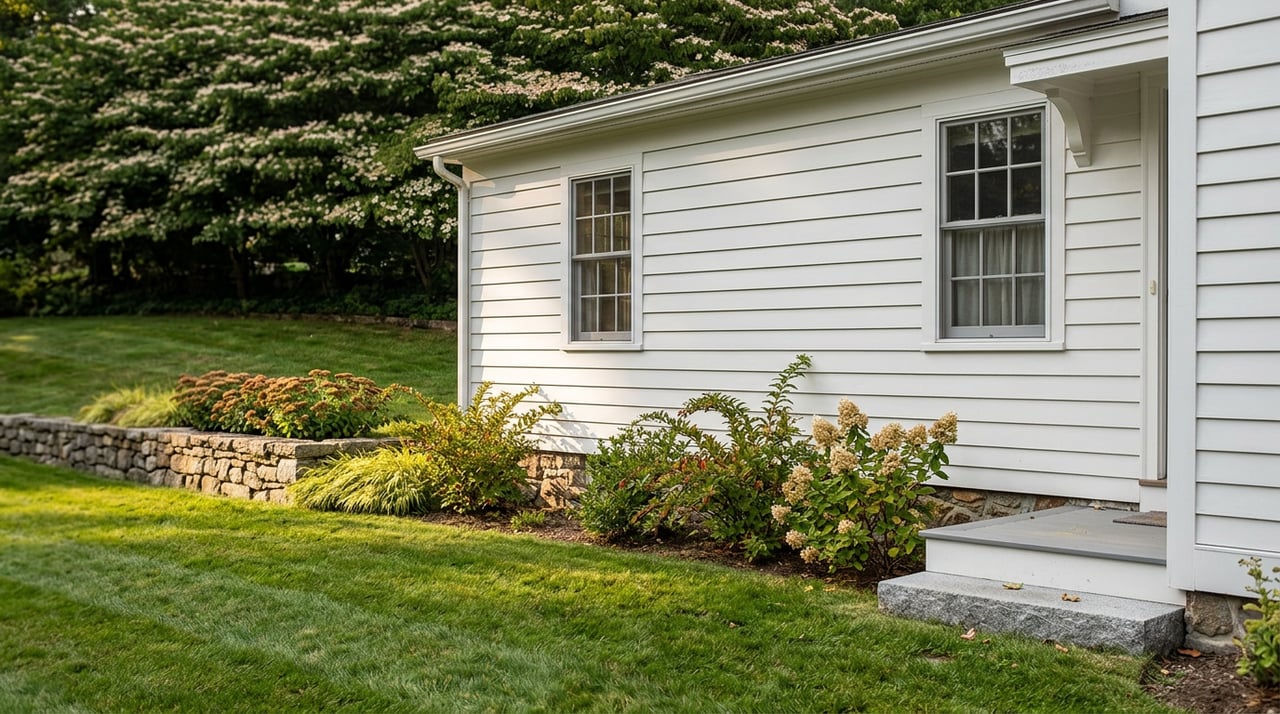
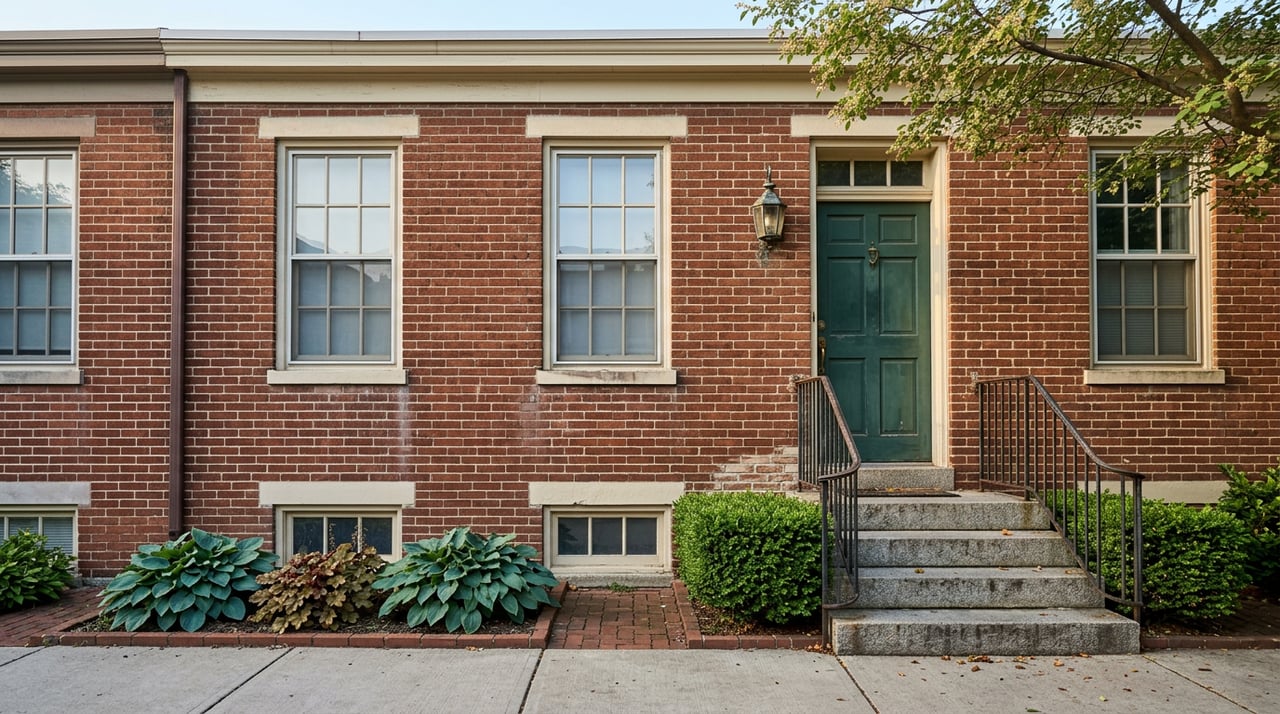
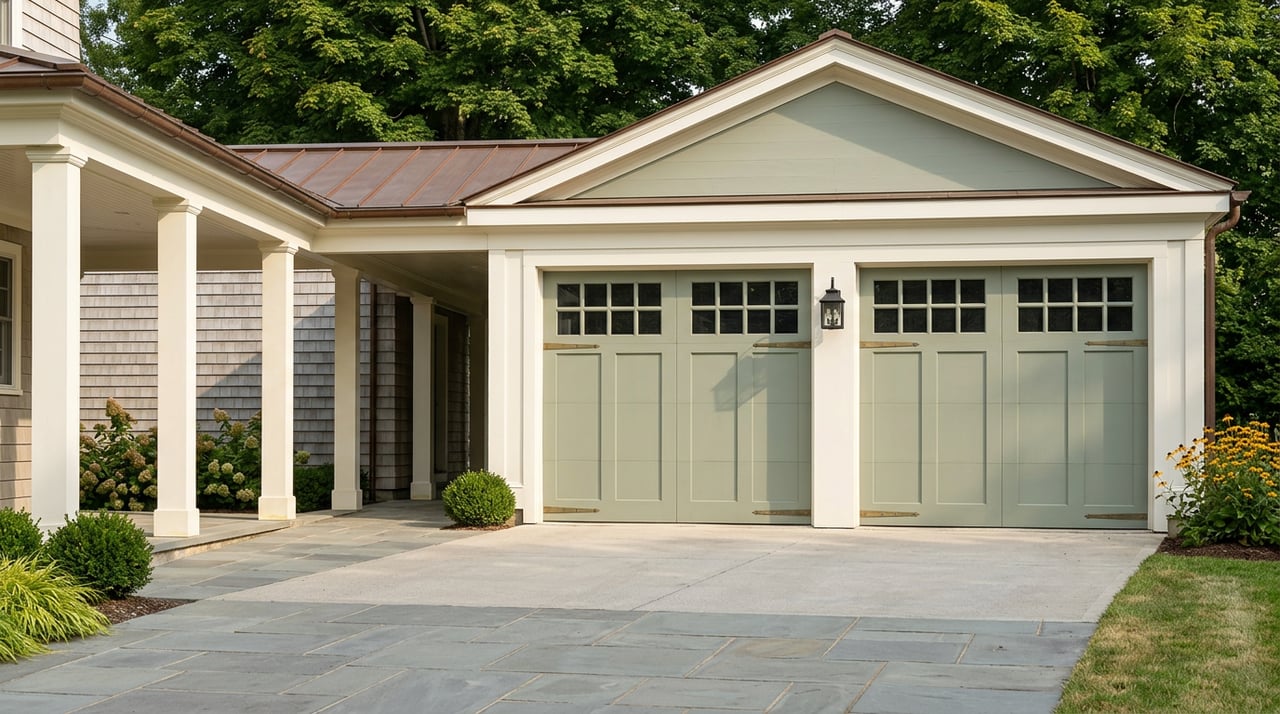
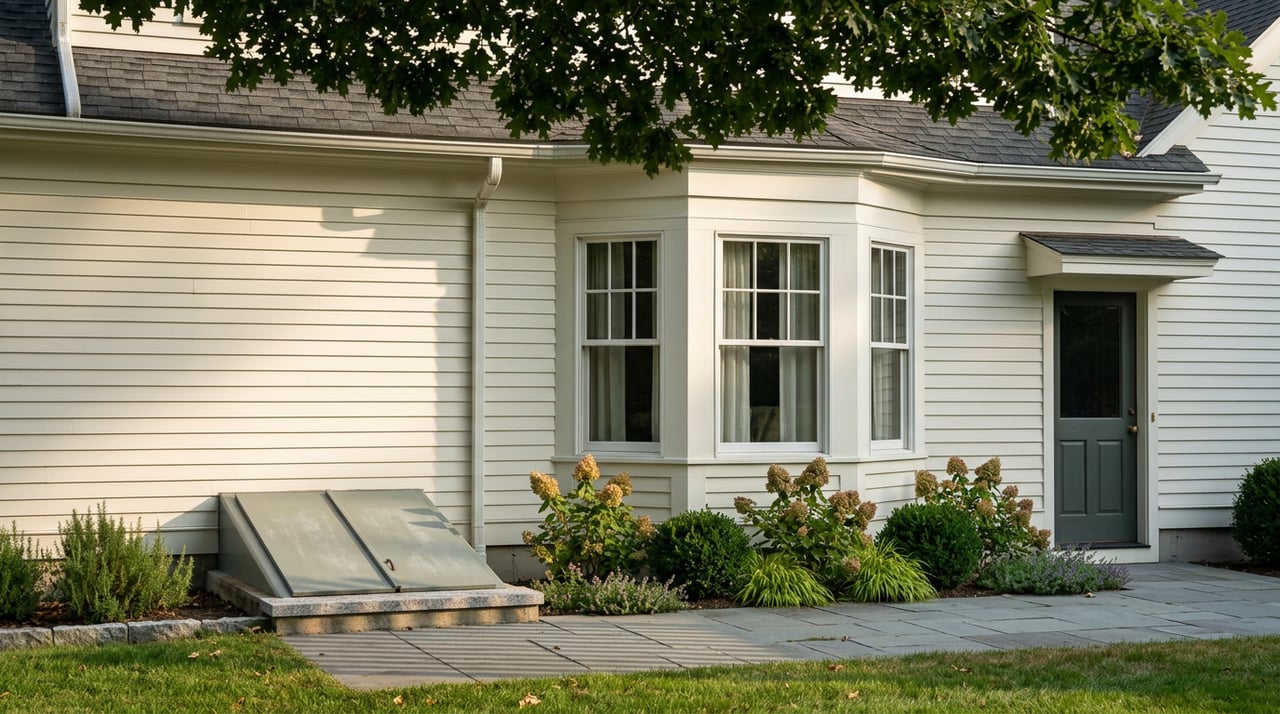
Housing near Lake Quannapowitt is best understood as part of a mostly residential community. Town planning materials say most of Wakefield is zoned residential and primarily single-family.
At the same time, Wakefield’s MBTA communities planning work is creating room for more multifamily housing within a half-mile of commuter rail stations. Town materials also point to ongoing mixed-use and multifamily development interest near transit and downtown.
For buyers, that means the broader area includes both established residential patterns and some evolving housing options near key commuter locations. If you are exploring Wakefield, it helps to look at each pocket of town based on how close it is to the lake, downtown, and transit.
Ownership and Cost Context
Recent U.S. Census QuickFacts for Wakefield show an owner-occupied housing unit rate of 70.4%, a median value of owner-occupied homes of $670,100, and a median gross rent of $1,872.
Those numbers do not tell the whole story of any individual home or neighborhood, but they do give you a useful snapshot of the local housing landscape. Wakefield is a town where ownership is a major part of the market, and homes near a well-used amenity like Lake Quannapowitt often draw attention for lifestyle reasons as much as square footage.
Tradeoffs to Think Through
There is no perfect location, and lake-adjacent living comes with tradeoffs. In Wakefield, proximity to Lake Quannapowitt may mean giving up some privacy or easier parking in exchange for better walkability, easier event access, and a closer connection to downtown and outdoor space.
That is not a negative. It is simply the kind of lifestyle choice that is worth understanding before you buy. Some people want quiet separation above all else. Others want to be able to walk the loop before dinner and head downtown without much planning.
The right fit depends on how you actually live, not just what sounds good in a listing description.
Who Usually Likes This Lifestyle
Living near Lake Quannapowitt can appeal to a wide range of buyers because the benefits are practical. If you value walkable outdoor space, access to town events, and a location that blends recreation with convenience, this area can check a lot of boxes.
It may be especially appealing if you want:
- Easy access to a daily walking or running route
- Close proximity to downtown amenities
- Community events that are simple to attend
- Commuting options that include rail, bus, and highway access
- A neighborhood feel that stays active throughout the year
If that sounds like your kind of day-to-day life, Wakefield is worth a closer look.
Final Thoughts on Living Near the Lake
Lake Quannapowitt helps define what makes Wakefield feel like Wakefield. It gives the town a built-in gathering place, a year-round recreation hub, and a strong link between the waterfront and downtown.
If you are considering a move to Wakefield, it is smart to look beyond the view and think about how the area functions in real life. The value of living near the lake is often found in the small things: a walk after work, easier access to events, a more connected downtown experience, and a routine that feels a little more open-air.
If you want honest guidance on whether Wakefield and the Lake Quannapowitt area fit your goals, Jodi Fitzgerald can help you sort through the details and make a smart plan.
FAQs
How long is the Lake Quannapowitt loop in Wakefield?
- The Town of Wakefield says the paved loop around Lake Quannapowitt is about 3.6 miles.
What activities can you do at Lake Quannapowitt in Wakefield?
- Town sources list walking, jogging, bicycling, fishing, sailing, kayaking, paddleboarding, pedal boats, skateboarding, and skating among the activities at the lake.
Is downtown Wakefield close to Lake Quannapowitt?
- Yes. Town materials say the Town Common overlooks the lake, and the south end connects with the common and Veteran’s Field, which helps tie the lake closely to downtown.
Can you commute from Wakefield without driving everywhere?
- Yes. Wakefield has two commuter rail stations on the Haverhill Line, plus MBTA bus route 137 to Malden Center and the Orange Line.
What is the housing mix like near Lake Quannapowitt in Wakefield?
- Town planning materials say Wakefield is mostly residential and primarily single-family, while some multifamily and mixed-use growth is being planned near commuter rail and downtown areas.