If city life is starting to feel a little tight, Stoneham may already be on your radar. You might be looking for more space, easier parking, and quicker access to trails, while still keeping Boston within reach. The good news is that Stoneham can offer that mix, but it comes with some real suburban tradeoffs you should understand before you make a move. Let’s dive in.
Why Stoneham draws city buyers
Stoneham sits less than 10 miles northwest of Boston, which is a big reason it gets attention from buyers who want to stay connected to Greater Boston. The town has an estimated population of 24,550, and the Census Bureau reports a mean commute time of 27.8 minutes. If your goal is to leave the city without feeling cut off, that location matters.
This is not a far-out suburb where everything feels remote. Stoneham is better understood as a close-in suburban option with practical access to Boston and nearby job centers. For many buyers, that creates a middle ground between city living and a longer-distance move.
Commute reality in Stoneham
Transit exists, but Stoneham is suburban first
Stoneham does not have its own commuter rail station, which is important to know upfront. Residents often use nearby stations in Melrose, Wakefield, Reading, Woburn, Winchester, and Medford, and some also use the Orange Line at Oak Grove in Malden. That gives you options, but it is not the same as stepping out your door to rail service in town.
Stoneham also runs a free, on-demand electric shuttle Monday through Friday from 7 a.m. to 7 p.m. and Saturday from 9 a.m. to 4 p.m. The shuttle serves anywhere in Stoneham and the Greenwood Commuter Rail Station. That can be a helpful local tool, especially if you want flexibility for errands or a station connection.
The road network is also a major part of the commute picture. Stoneham sits between I-93 and I-95/Route 128, which helps with regional access by car. If you are moving from a Boston apartment and hoping to go mostly car-free, this is where expectations need to stay realistic.
Walkability depends on where you live
If daily walkability matters to you, location inside town matters a lot. According to the town’s planning documents, sidewalk coverage is strongest in Stoneham Center. Portions of Main Street, Woodland Road, and Pond Street have sidewalks on only one side.
That means some parts of Stoneham will feel more convenient for walk-to-errands living than others. If you want the easiest transition from a city routine, focusing near the town center and nearby corridors usually makes the most sense. If you buy farther out, you should expect a more car-oriented daily rhythm.
What Stoneham Center feels like
Stoneham Center is the part of town that gives Stoneham much of its local character. Town planning documents describe it as the central business district where civic destinations, retail, and recreation overlap. In plain English, it is the area most likely to feel active and convenient on a day-to-day basis.
A town parking study describes the Main Street area as home to parks, libraries, restaurants, coffee shops, a theater, schools, and a zoo. That mix gives the center more life than a suburb that is only residential. It also means you can have some of the convenience city buyers often miss after a move.
Still, this is not an urban neighborhood in the Boston sense. Stoneham has a real town center, but it does not fully replace car ownership. Think of it as a place with useful walkable pockets, not a substitute for a fully urban lifestyle.
Outdoor access is a major advantage
Middlesex Fells shapes the lifestyle
One of Stoneham’s clearest strengths is outdoor access. The town says roughly one-third of Stoneham is within the Middlesex Fells Reservation, including Spot Pond. For buyers leaving the city, that is not a small perk. It is a real lifestyle feature.
Massachusetts reports that the reservation spans 2,575 acres and offers hiking, biking, fishing, kayaking, canoeing, and an off-leash dog area at Sheepfold. The state also notes there are more than 100 miles of mixed-use trails. If you want more room in your daily life, this kind of access can change how a week feels.
The Greenway adds everyday usability
Stoneham also benefits from the Tri-Community Greenway. The town’s draft 2026 Open Space and Recreation Plan describes it as an approximately seven-mile paved shared-use path connecting Stoneham with Winchester and Woburn. It also links to parks, schools, neighborhoods, and regional trail networks.
That matters because outdoor access is most valuable when it is easy to use. A trail system that supports running, biking, walking, and everyday movement can make suburban living feel more active and connected. For many buyers, this is one of Stoneham’s strongest practical advantages.
Housing in Stoneham: what to expect
Single-family homes still lead the market
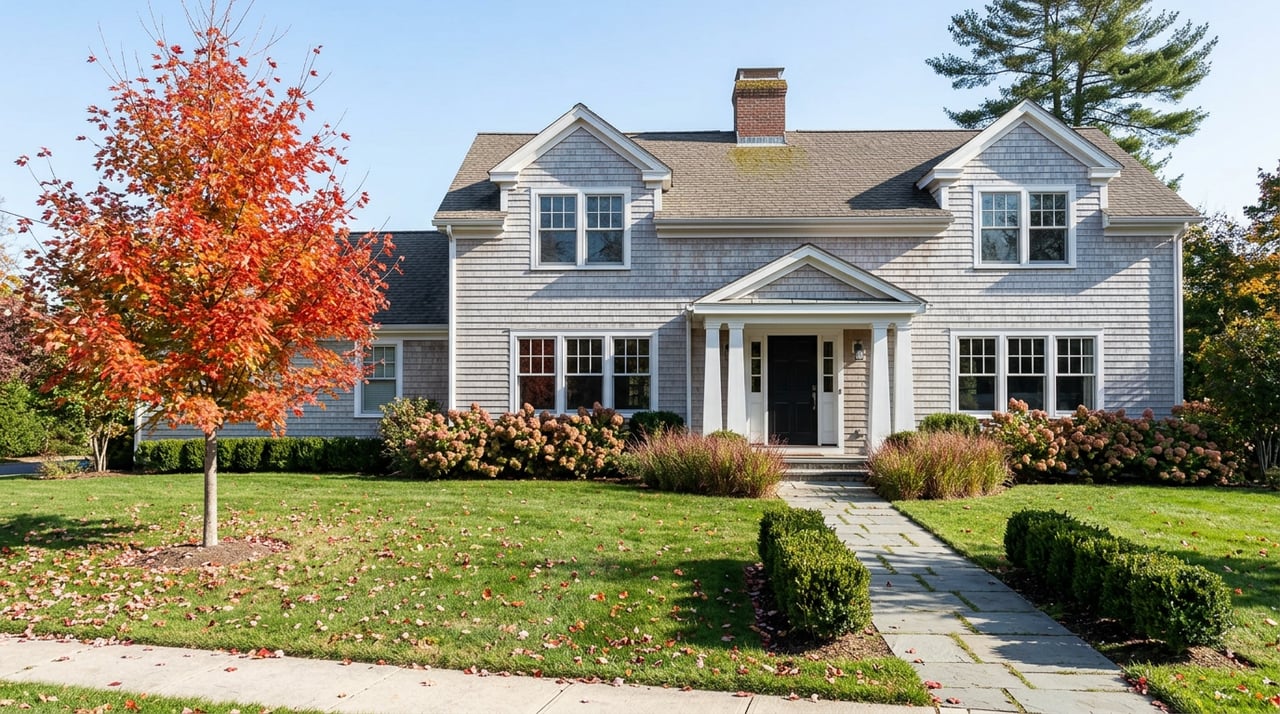
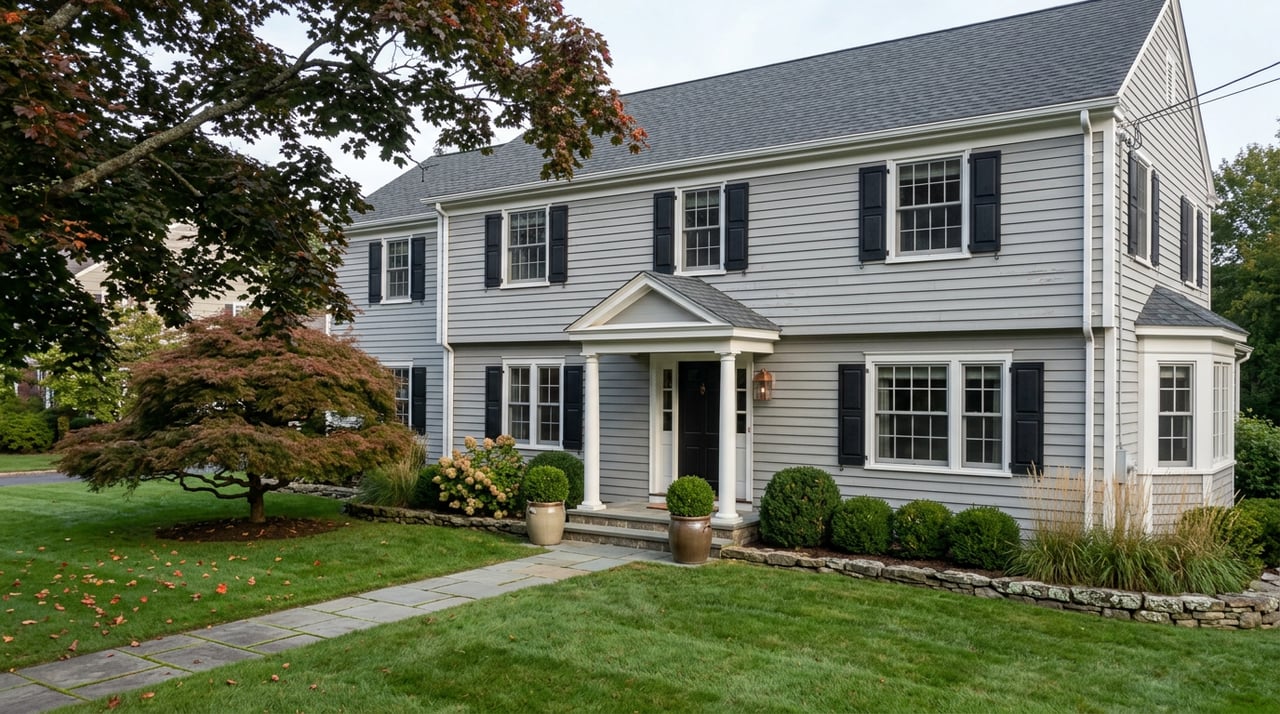
Stoneham has a mix of housing types, but detached single-family homes still make up more than half of the housing stock. The town also reports that about 29% of housing units are renter-occupied. If you are hoping for more space, a driveway, or a yard, Stoneham offers a more space-oriented housing mix than many city neighborhoods.
At the same time, Stoneham is largely built out. The town says future development is more likely to come from infill and redevelopment than from large-scale new subdivisions. That is worth knowing if you are expecting endless new-construction choices.
Older homes are part of the story
About 24% of Stoneham housing units were built in 1939 or earlier, with many others dating from the 1950s through the 1980s. In practical terms, that means charm and character may come with updates, maintenance needs, or layout quirks. This is one place where buyers need to look past the listing photos and think carefully about condition.
Stoneham’s preservation planning also notes that more than 35 single-family homes have been demolished since 2017, and most were replaced with higher-priced single-family homes. So if you are shopping here, you may see both older homes with renovation potential and newer replacements at higher price points. That mix can create opportunity, but only if you go in with clear eyes.
Stoneham is not automatically cheaper
Stoneham may offer more space than the city, but that does not mean it is low-cost. Current Census data show a median owner-occupied home value of $671,900. The median monthly owner cost with a mortgage is $3,090, and the median gross rent is $2,035.
That is why I always tell buyers to focus on value, not just price. Stoneham can make sense if you want a suburban lifestyle with access to Boston, but your budget still needs to fit the reality of the market. The goal is to buy the right level of space and condition for your life, not just chase the idea of leaving the city.
Everyday tradeoffs to think through
Parking rules are part of suburban life
Many city buyers assume parking automatically gets easier in the suburbs. Sometimes it does, but local rules still matter. Stoneham bans overnight parking on public streets from December 1 through April 1, and snow emergencies prohibit on-street parking altogether.
Downtown municipal lots also use a placard system. So if parking is one of your reasons for moving, make sure you understand exactly what comes with the property you are considering. A driveway, garage, or condo parking setup can make a big difference.
More space can mean more responsibility
A condo and a single-family home offer very different versions of suburban living. Condo ownership may give you a more predictable setup with less exterior work. A single-family home may give you more privacy and storage, but it usually comes with more upkeep, snow management, and maintenance.
Neither option is better across the board. It depends on how much hands-on responsibility you actually want once the excitement of moving wears off. That is a key part of making a smart move, especially if you are coming from apartment living.
Is Stoneham the right move for you?
Stoneham tends to work well if you want more room, access to nature, and a realistic connection to Boston. It is especially appealing if you like the idea of a quieter routine but still want some walkable pockets and a town center that feels active. The Middlesex Fells, the Greenway, and the close-in location are all real advantages.
What Stoneham does not offer is a full urban replacement. It is suburban in its layout, transit mix, and day-to-day feel. If that tradeoff sounds right for you, Stoneham is absolutely worth a closer look.
The key is matching your expectations to the property, the location within town, and the way you actually live. That is where candid local guidance matters. If you want help weighing Stoneham against other nearby towns or figuring out what type of property makes the most sense for your move, Jodi Fitzgerald can help you sort through the details with a practical, no-fluff approach.
FAQs
What is the commute like from Stoneham to Boston?
- Stoneham is less than 10 miles northwest of Boston, and the Census Bureau reports a mean commute time of 27.8 minutes, but many residents still rely on a mix of driving and nearby rail or Orange Line access rather than transit directly in town.
Does Stoneham have a walkable town center?
- Stoneham Center is the most walkable part of town, with civic destinations, restaurants, coffee shops, parks, and other everyday stops nearby, but overall Stoneham still functions more like a suburb than a fully walkable city neighborhood.
What outdoor amenities does Stoneham offer?
- Stoneham has strong outdoor access through the Middlesex Fells Reservation, including Spot Pond, plus the Tri-Community Greenway, giving residents easy access to trails, biking, walking, paddling, and other outdoor activities.
What types of homes are common in Stoneham?
- Detached single-family homes make up more than half of Stoneham’s housing stock, though buyers will also find condos and older housing built across several decades, especially homes dating from before 1940 through the 1980s.
Is Stoneham a good fit for buyers leaving a Boston apartment?
- Stoneham can be a strong fit if you want more space, parking, and outdoor access while staying connected to Greater Boston, but it is best for buyers who are comfortable with a more car-dependent suburban routine.