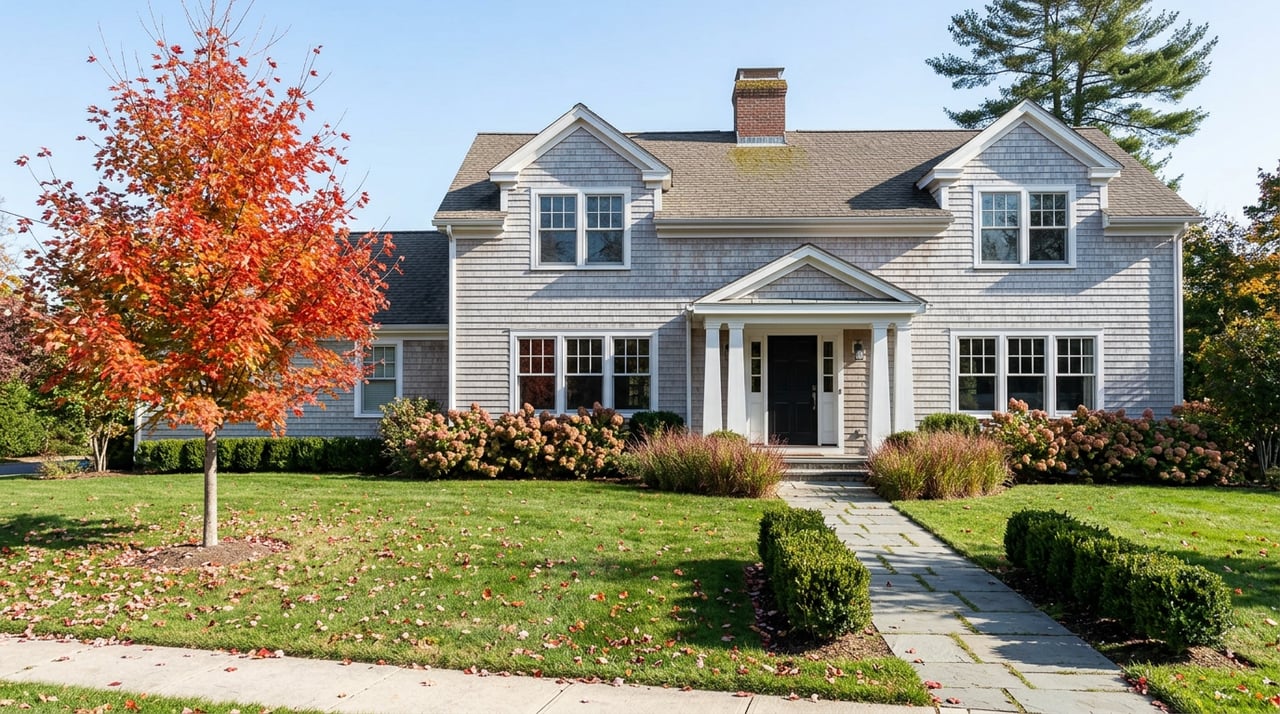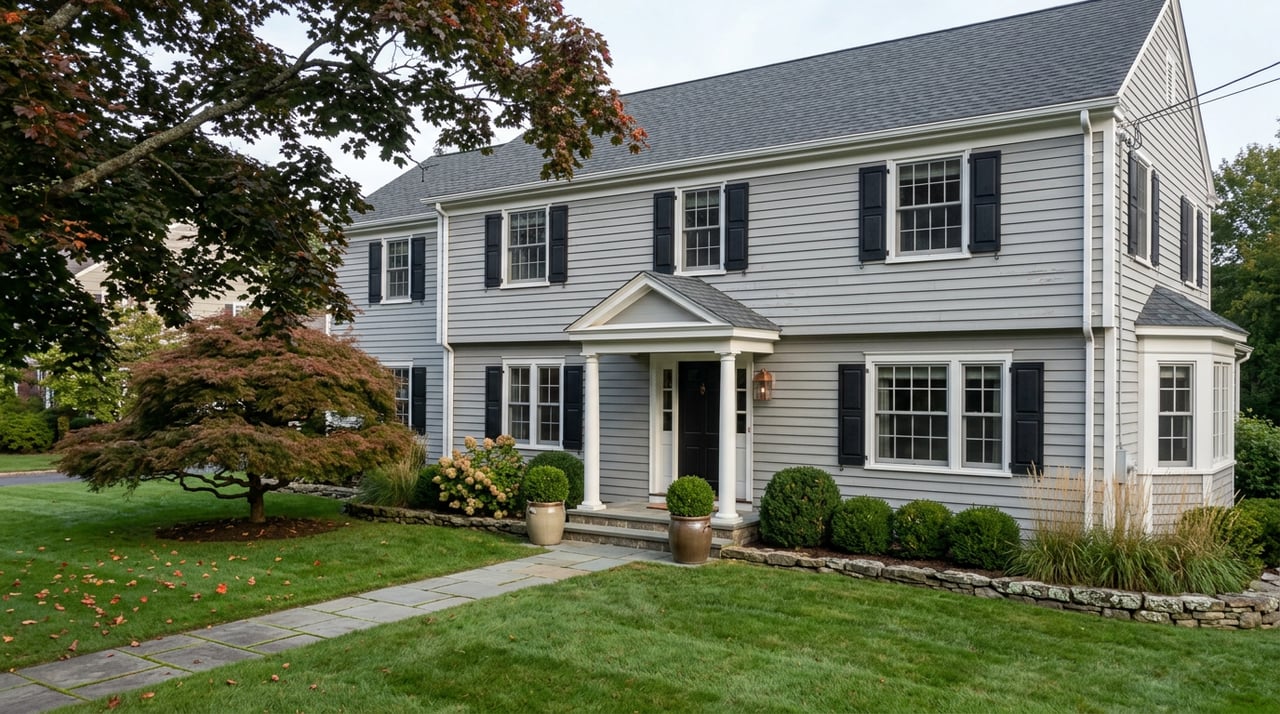
If you are thinking about moving up in Andover, the big question is not just, "What can I sell my house for?" It is, "How do I buy the next home without boxing myself into a bad timeline or budget?" In a market where inventory is still tight and well-priced homes can move fast, your options depend on clear numbers, smart timing, and a backup plan. Let’s break down what Andover’s market means for your move-up strategy.
Andover market conditions matter
Andover remains a competitive, higher-priced market by almost any measure. Redfin’s February 2026 housing market data showed a median sale price of $950,000 and median days on market of 22, while Zillow’s March 31, 2026 home value index put Andover at $989,406 with homes going pending in about 10 days. The Massachusetts Association of REALTORS® also reported just 17 single-family homes for sale in February 2026, with 0.8 months of inventory and sellers receiving 101.2% of original list price.
Those figures come from different sources and track different things, so they should not be blended as if they are identical. Still, they point to the same reality: Andover is inventory-constrained, expensive, and fast-moving. That matters if you need to sell one home and buy another without unnecessary stress.
Andover is tighter than nearby markets
A move-up decision makes more sense when you compare Andover with the broader area. Redfin’s Essex County market data showed a February 2026 median sale price of $625,000 and 37 days on market, while Massachusetts overall had a median sale price of $597,800, 3 months of supply, and 39 median days on market. Zillow’s Boston-Cambridge-Newton metro data also showed a typical home value of $713,764, with homes pending in about 20 days.
In plain English, Andover is moving faster and costing more than the county, state, and metro averages. That can be good news when you sell, but it can also make your next purchase harder if you are not ready to compete.
Start with your real net proceeds
Before you look at your next house, you need a realistic estimate of what you will walk away with from your current one. Guessing based on your neighbor’s sale or an online estimate is not enough when you are trying to time a move-up purchase.
The Consumer Financial Protection Bureau says lenders look at your income, assets, employment, savings, monthly debt, and credit history when deciding whether to lend. It also notes that buyer closing costs typically range from 2% to 5% of the purchase price, not including your down payment. On the selling side, Massachusetts also imposes a deeds excise of $2.28 per $500 of consideration outside Barnstable County, so your sale has real transaction costs too.
That is why a move-up plan should start with a net sheet, not a rough guess. You want to understand your likely sale proceeds, purchase costs, moving expenses, and how much cash you need to keep in reserve.
Sell first for clearer math
If your main goal is reducing financial risk, selling first is often the cleaner path. According to Realtor.com’s guidance on buying and selling at the same time, selling first gives you a clearer picture of your proceeds and keeps you from carrying two homes if your sale takes longer than expected.
The downside is timing. If your current home closes before you secure the next one, you may need temporary housing, storage, or a flexible moving plan. In Andover’s fast market, that gap can happen even when your home sells quickly.
When selling first makes sense
Selling first may be the better fit if you:
- Want a clear budget before making an offer
- Need sale proceeds for the next down payment
- Prefer to avoid the risk of double housing costs
- Want less pressure from overlapping deadlines
This path is usually less glamorous, but it can be the most protective option.
Buy first for continuity
Some homeowners decide to buy first because they want to avoid moving twice or because they need to act quickly on the right property. Realtor.com notes that buying first can preserve housing continuity, which is a real quality-of-life advantage.
The tradeoff is financial exposure. You need enough equity, financing strength, and reserves to handle overlap if your current home does not sell on your hoped-for schedule. In a high-cost market like Andover, that is not a small detail.
When buying first can work
Buying first may be realistic if you:
- Have strong equity in your current home
- Can qualify for the next purchase without relying on an immediate sale
- Have enough reserves to carry both properties temporarily
- Want to make a stronger offer without a home-sale contingency
This option can work well, but only if the numbers truly support it.
Contingent offers can weaken your position
A home-sale contingency gives you protection. If your current home does not sell by a certain date or price, you may be able to walk away from the purchase. That sounds appealing, and in some situations it is the right move.
But Realtor.com explains that in a competitive market, sellers may prefer a stronger offer without that condition. In Andover, where homes can move quickly and inventory remains low, a contingent offer may put you behind less complicated buyers.
What a contingency really does
A home-sale contingency can:
- Lower your financial risk
- Give you time to sell before closing on the next home
- Make your offer less attractive to the seller
- Limit your negotiating leverage in multiple-offer situations
There is nothing wrong with using a contingency when it fits your risk tolerance. You just want to understand the tradeoff before relying on it.
Bridge financing can create flexibility
If you need to buy before you sell, temporary financing may help. Realtor.com’s bridge loan overview explains that a bridge loan can let you tap equity from your current home so you can move forward on the next one, often without making a contingent offer.
That flexibility can be useful in a market like Andover, but bridge loans are not a casual tool. They typically come with higher rates and fees, and borrowers usually need strong credit, a low debt-to-income ratio, and significant equity. Fannie Mae guidance also requires lenders to document that you can carry your current home, the new home, the bridge loan, and your other obligations.
Questions to ask before using bridge financing
Before you go this route, make sure you understand:
- The interest rate and fees
- How long you may carry the bridge loan
- Whether your income and reserves support overlap
- What happens if your sale takes longer than expected
This strategy can solve a timing issue, but it should not create a bigger money problem.
Use timing tools to avoid moving twice
The move-up challenge is often less about price and more about logistics. If you sell first, you may still be able to stay in place for a short period with the right contract terms.
Realtor.com highlights practical tools like lease-backs, rent-backs, and extended closings. These options can give you more time to find and close on your next home without turning your life upside down.
Timing tools to discuss
Depending on the transaction, you may be able to use:
- Lease-back or rent-back: You sell your home, then stay temporarily after closing
- Extended closing: You negotiate a later closing date to buy yourself more time
- Short-term rental: You move out, store what you need, and bridge the gap with temporary housing
None of these options is perfect. But each one can reduce pressure if your sale and purchase are unlikely to line up neatly.
Temporary housing should be in the budget
A lot of homeowners treat temporary housing like a remote possibility. In reality, it is often the pressure point that decides whether a move-up plan feels manageable.
Realtor.com’s Andover market page showed 91 rentals in December 2025 and a median monthly rent of $2,525 in ZIP code 01810. Zillow’s Boston-Cambridge-Newton rent data showed an average rent of $3,098 in February 2026. Those numbers tell you that even a short-term rental or backup housing plan can materially affect your costs.
If you might need a short-term place, price it out early. Add rent, storage, moving costs, and overlap expenses into your plan before you commit to a timeline.
Build your move-up plan around three numbers
If you want a practical way to think about your next move, focus on three numbers:
- Expected net proceeds from your sale
- Total cash needed for the next purchase
- Cost of a backup housing plan if timing slips
When those three numbers are clear, your options usually become clearer too. You can decide whether selling first feels safer, whether buying first is realistic, and whether a contingency or bridge strategy actually makes sense.
What this means for your Andover move-up
Andover’s market still tends to reward well-prepared sellers, but that does not make moving up easy. A strong sale can help, yet the next purchase may require speed, flexibility, and a more competitive offer strategy than you expected.
The key is to go in with real numbers, not wishful thinking. If you are planning a move-up in Andover, the smartest first step is to map out your likely sale proceeds, your financing capacity, and your backup plan for housing overlap. If you want candid advice on how to structure that plan, Jodi Fitzgerald can help you sort through the numbers, timing, and strategy with a clear head.
FAQs
Should I buy before I sell in Andover?
- Only if your finances can comfortably handle the overlap or you have a temporary financing plan that keeps the risk manageable.
Can I make a contingent offer when moving up in Andover?
- Yes, but a home-sale contingency can make your offer less attractive in a competitive market.
How can I avoid moving twice during an Andover move-up?
- Common options include a rent-back, lease-back, extended closing, or a short-term rental plan.
How much cash do I need beyond the down payment for an Andover move-up?
- You should also budget for buyer closing costs, seller transaction costs like deeds excise, moving expenses, storage, and a temporary housing buffer.
Why does Andover’s market make move-up timing harder?
- Because inventory remains tight and homes can move quickly, you may sell well but still face strong competition and timing pressure on your next purchase.