Buying your first home in North Reading can feel thrilling and intimidating at the same time. You want a solid plan, straight answers about costs, and a clear path from pre-approval to keys. This guide gives you the local context you need: typical prices, taxes and carrying costs, commute realities, inspections, and offer strategies that protect you while keeping you competitive. Let’s dive in.
Why North Reading works for first-time buyers
North Reading is a small Middlesex County town with roughly 15,000 to 16,000 residents and a strong base of owner-occupied homes. You’ll see well-kept neighborhoods, historic properties dating back to the 1700s, and newer subdivisions mixed in the same community. The town’s profile, including tax information and a quick history snapshot, is available through the Massachusetts Municipal Association’s overview of North Reading. You can review that summary for context on size, services, and annual budgets in town (MMA town profile).
What homes you will find
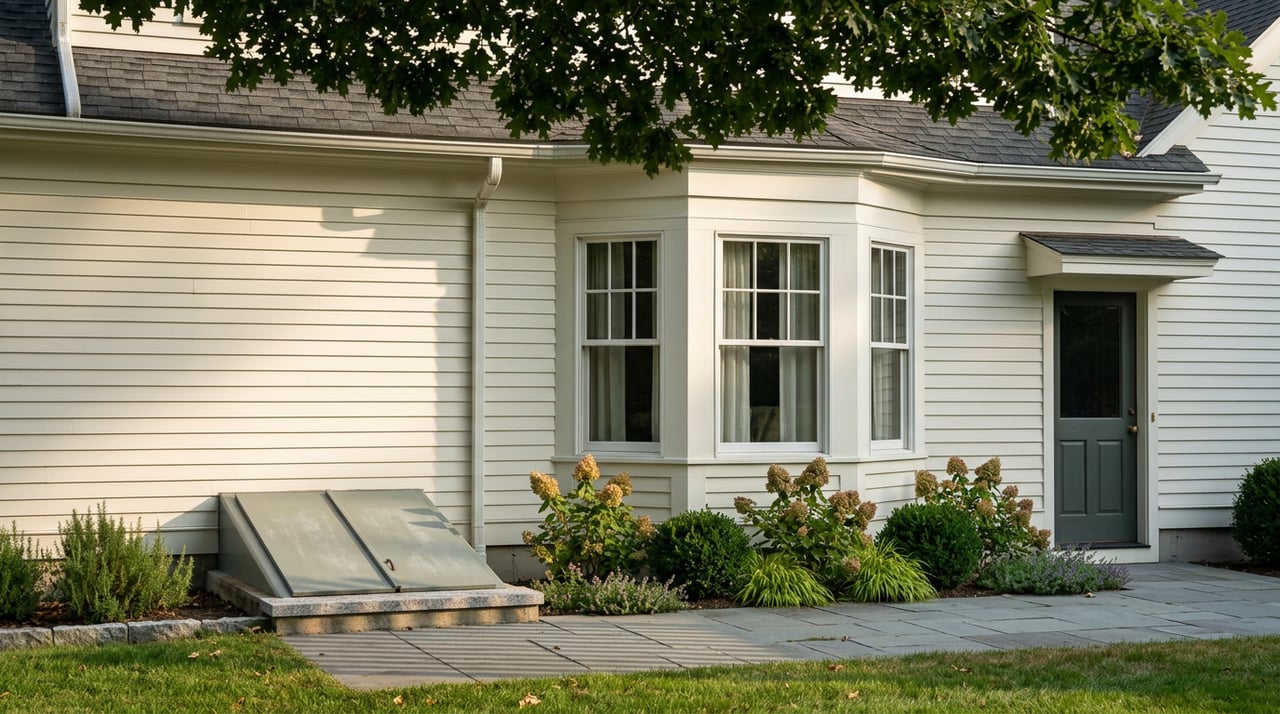
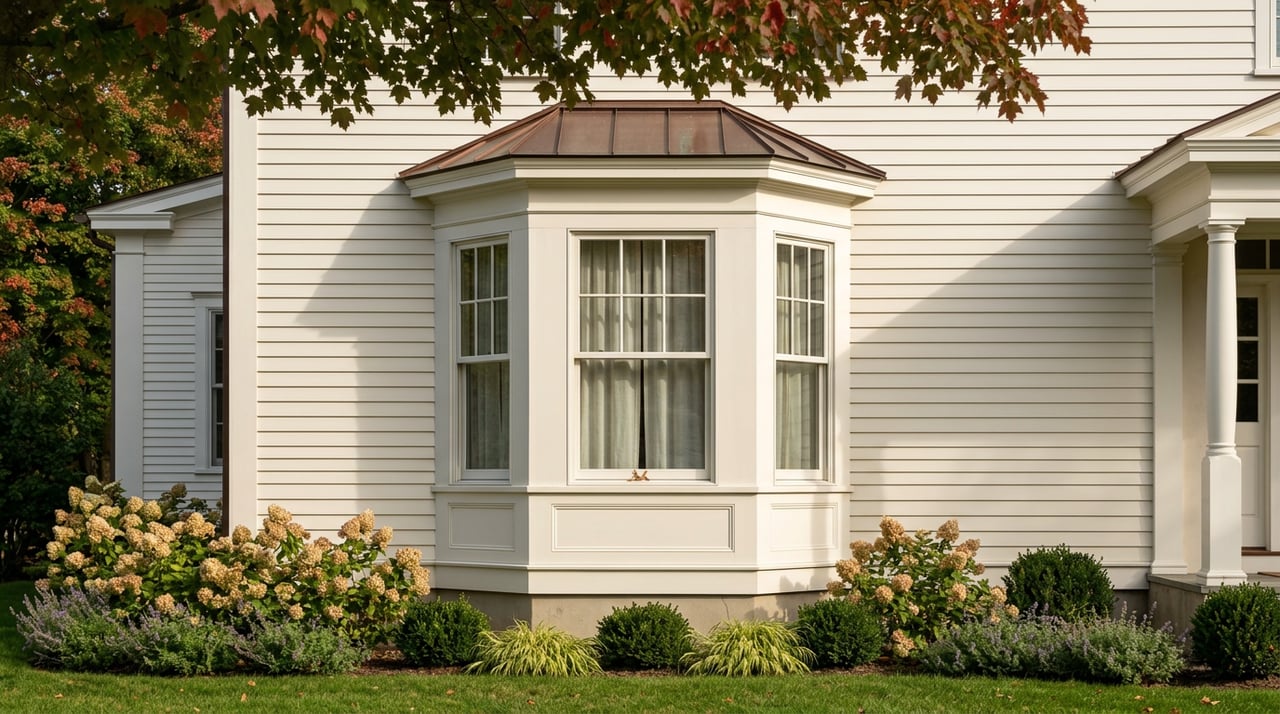
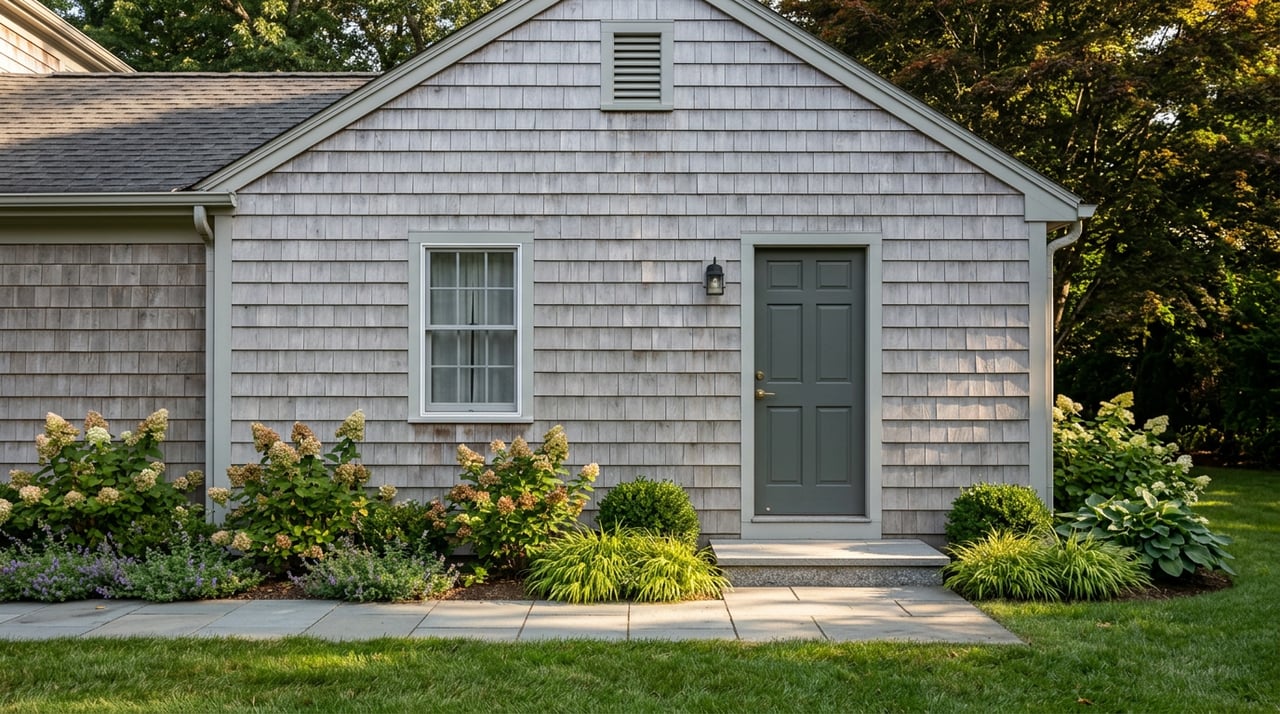
North Reading’s housing stock leans heavily single-family. Common styles include colonials, split-levels, ranches, and occasional capes, along with pockets of condominiums and some newer multifamily developments. This mix offers a range of options for first-time buyers depending on your budget and appetite for updates (MMA town profile).
Price ranges to expect
Portal snapshots show different medians depending on timing and methodology, so use ranges rather than a single number. Recent public snapshots have shown median list or sale prices from the low-to-mid $600,000s up to the high $700,000s. Always verify the latest week’s numbers with current MLS data before you write an offer, but these ranges will help you set expectations (Realtor.com overview; Redfin local market).
Condos vs single-family
- Condominiums and townhouses often sit at the lower-to-middle end of North Reading pricing. They can be a more affordable entry point, though HOA fees should be part of your monthly budget.
- Single-family homes typically trade from the mid-$600,000s into the $1 million-plus range. Smaller ranches or homes needing updates may list toward the lower end, while updated colonials and move-in-ready properties usually trend above the town median (Realtor.com overview).
Commuting and daily life
North Reading does not have MBTA service within town limits. Many residents drive to nearby commuter-rail stations in Reading, Wilmington, or Andover, or drive directly to Boston. The town is studying park-and-ride or shuttle options, but for now commuting is largely car-dependent. You can follow planning updates and MBTA-adjacent discussions on the town’s site (Town of North Reading planning and transit page).
What the market feels like
This is a competitive suburban market but not an urban frenzy. Portal data often shows days on market in the multiple-weeks band, commonly about 20 to 50 days depending on month and property type. Move-in-ready, well-priced homes can still attract multiple offers, so preparation and a clean offer package matter (Redfin local market).
Plan your budget
Buying the home is one line item. Owning it comfortably is the goal. Build your budget around purchase price, closing costs, taxes, insurance, utilities, and a starter repair fund.
Taxes and carrying costs
North Reading’s residential tax rate has recently been listed near 13.06 per $1,000 of assessed value, and the average annual bill sits in the low-$11,000 range. Your actual bill depends on assessed value, which may differ from purchase price. As a rough example: if the assessed value is $850,000, annual taxes would be about $11,101 using that rate, or about $925 per month. Confirm the current fiscal year rate and your property’s assessed value with the town before finalizing your budget (MMA town profile).
Closing costs and buffers
- Closing costs: plan for 2 to 5 percent of the purchase price for lender fees, attorney fees, escrows, and prepaids.
- Maintenance and repairs: set aside 1 to 2 percent of purchase price for the first year’s fixes and improvements.
- Ongoing costs: add property taxes, homeowners insurance, and utilities to your monthly payment so you see your true carrying cost.
Make a smart offer
A strong offer balances confidence with protections. You want terms that appeal to the seller while keeping your risk in check.
Deposits and timelines
In suburban Massachusetts, buyers often use a two-step deposit: a small binder with the accepted offer, then the full deposit at Purchase & Sale signing. In balanced conditions, deposits commonly total about 1 to 3 percent of the price. On competitive listings, 3 to 5 percent is not unusual if you want to signal commitment (Earnest money norms in MA).
Inspections and contingencies
Inspection contingency windows typically run about 7 to 10 days after signing the Purchase & Sale. In hot situations, sellers may favor shorter windows, such as 5 to 7 days. You can keep your offer competitive without giving up your safety net by narrowing scope or time rather than waiving protections entirely (Simple guide to MA contingencies).
Practical offer checklist:
- Get a strong pre-approval, not just a pre-qualification.
- Use a two-step deposit if that helps with cash flow.
- Keep an inspection contingency, even if shortened to 5 to 7 days.
- If you waive or limit an appraisal contingency, set a dollar cap you can truly cover in cash.
- Offer a flexible closing date if that helps the seller, but document timelines clearly.
Financing, appraisals, and gaps
Lenders usually target mortgage commitment within about 30 to 45 days from your Purchase & Sale date. Appraisals typically come back in 1 to 3 weeks after ordering. If the appraisal comes in below your contract price, options include price negotiation, a buyer cash bridge for the difference, or using an appraisal contingency to exit if needed. Consider appraisal-gap language only if you have the funds to cover the stated amount comfortably (Appraisal contingency overview).
Inspections: older vs newer homes
An inspection checks condition for your benefit. An appraisal confirms value for the lender. Both matter, and they are not the same process.
Pre-1950s and mid-century homes
Older homes bring charm, but they may need updates to roofs, wiring, insulation, and windows. For homes built before 1978, federal law requires a lead-based paint disclosure and gives you a 10-day right to test for lead. In many Massachusetts towns, septic systems are common outside public sewer lines, and a Title 5 inspection is required when buying or selling. Ask early whether a property is on public sewer or septic, and confirm any Title 5 pass with the local Board of Health (Lead disclosure rule; MassDEP Title 5 guidance).
Newer builds and condos
Newer construction generally has fewer immediate condition issues, but you should review warranties and, for condos, the HOA’s financials and reserves. Pay attention to traffic and infrastructure impacts from newer developments and follow local planning updates if you are thinking long term about supply in town (Town planning and MBTA-adjacent updates).
Extra tests that matter
- Radon: the EPA recommends testing every home. If a short-term test shows 4 pCi/L or more, mitigation is recommended. Include a radon test during your inspection window if you want that data before you commit (EPA radon guidance).
- Lead paint: for pre-1978 homes, review the seller’s disclosure and decide whether to test within your 10-day window (Lead disclosure rule).
- Septic: for homes with septic, obtain the Title 5 report and proof of Board of Health sign-off before you finalize your financing or closing timeline (MassDEP Title 5 guidance).
Balance wants vs budget
First-time buyers succeed faster when they separate must-haves from nice-to-haves.
Quick scoring exercise
Create three columns: Must, Want, Bonus. Score each home 1 to 5 on the items that matter to you, like bedroom count, yard, commute time, parking, and storage. Keep finishes and fixtures in the Want column unless they are truly make-or-break. Many buyers in North Reading accept dated finishes to secure the right location and layout.
When to stretch, when to wait
Consider stretching when the home covers your must-haves and passes inspection for major systems. Consider waiting if the only reason to compete is cosmetic upgrades, or if you would need to waive core protections you are not comfortable waiving. You can stay competitive without overreaching by tightening timelines, improving your deposit, and keeping your financing documentation rock solid.
First-time buyer next steps
- Connect with a local lender and secure a full pre-approval.
- Review recent comps in your target neighborhoods to understand current pricing and days on market.
- Map your commute plan, including your preferred park-and-ride or commuter-rail station.
- Build a budget that includes taxes, insurance, utilities, and a repair reserve.
- Choose an inspection strategy that protects you while keeping your offer attractive.
If you want a clear, step-by-step plan tailored to your budget and timeline, reach out to Jodi Fitzgerald to schedule a free consultation. You will get straight talk, local comps, and a competitive offer strategy designed for North Reading and nearby suburbs.
FAQs
How much should a first-time buyer budget for North Reading property taxes?
- The town’s residential rate has recently been near 13.06 per $1,000 of assessed value, with an average annual bill in the low-$11,000s. Your bill depends on assessed value, not purchase price, so confirm the current fiscal year rate and the home’s assessment with the town (MMA town profile).
Can you commute to Boston from North Reading without a car?
- There is no MBTA station inside North Reading. Most residents drive to nearby commuter-rail stations in Reading, Wilmington, or Andover, or drive into Boston. The town is exploring park-and-ride and shuttle options, so watch local planning updates (Town planning and transit).
Should a first-time buyer focus on condos or single-family homes in North Reading?
- Condos and townhouses are often the lower-cost entry point, but you should include HOA fees in your monthly budget. Single-family homes typically range from the mid-$600,000s to $1 million-plus depending on size and updates. Check current MLS comps alongside portal snapshots for precision (Realtor.com overview).
What inspections are essential for North Reading homes?
- Get a general home inspection. Add a radon test, request lead-paint disclosures and testing for pre-1978 homes, and confirm a Title 5 pass with the local Board of Health if the property has a septic system (EPA radon; Lead disclosure; MassDEP Title 5).
How competitive is the North Reading market for first-timers right now?
- It is competitive but manageable. Portal data often shows days on market in the 20 to 50 day range, and well-priced, move-in-ready homes can attract multiple offers. A strong pre-approval, realistic deposits, and a short but safe inspection window help you compete (Redfin local market).
How long do mortgage commitments and appraisals take?
- Mortgage commitments commonly take 30 to 45 days from Purchase & Sale, and appraisals often return within 1 to 3 weeks after ordering. If the appraisal is low, you may renegotiate, bridge the gap with cash, or rely on an appraisal contingency if that is part of your offer (Appraisal contingency overview).